






The Deep Cleaning Checklist, Room by Room
This is the list a professional team works from when a house needs more than a routine visit. It is organized by room, and the order matters as much as the items: top to bottom, dry before wet, floors last.
Published 14 October 2026 Checklists By the Quick Cleaning Services team
Work in the Order Gravity Dictates
Any deep cleaning checklist is only as good as the sequence it is followed in. Clean a floor before the shelves above it and you will clean that floor twice.
Top to bottom
Start with whatever is highest in each room: light fittings, the tops of door frames, high shelves and cabinet tops. Dust falls. Let it fall onto surfaces you have not done yet.
Dry before wet
Dust and vacuum loose debris before any wet cleaning. Wiping a dusty surface with a damp cloth turns dust into a smear that takes twice as long to lift.
Rooms that hold water last among the rooms
Kitchens and bathrooms need the longest dwell times for products on grease and soap scum. Apply first, clean the rest of the room while it works, then come back.
Floors at the very end
In every room, floors are the final job, vacuumed and then mopped edge to edge, working toward the door so nobody walks on them again.
The Kitchen: Grease Is the Whole Story
Range hood and backsplash
Cooking grease rises and settles. The hood, its filter surround and the backsplash behind the stove carry the heaviest film in the house and need a degreaser left to work, not a quick wipe.
Around the stove
The sides of the range, the gap beside it and the wall behind it collect spatter that a routine visit never reaches. This is the line most people notice first after a deep clean.
Cabinet fronts, handles and the fridge top
Hands leave oil on every handle and door edge. The top of the refrigerator gathers dust and grease together, and it is rarely seen until someone stands on a chair.
Microwave and small appliances
The microwave interior, plus the outside of the kettle, toaster and coffee machine, and the counter beneath each of them.
Sink, faucet and drain
Scrubbed and polished, with attention to the base of the faucet where mineral deposits form.
Bathrooms: Where Buildup Hides in the Joints
Tile and grout lines
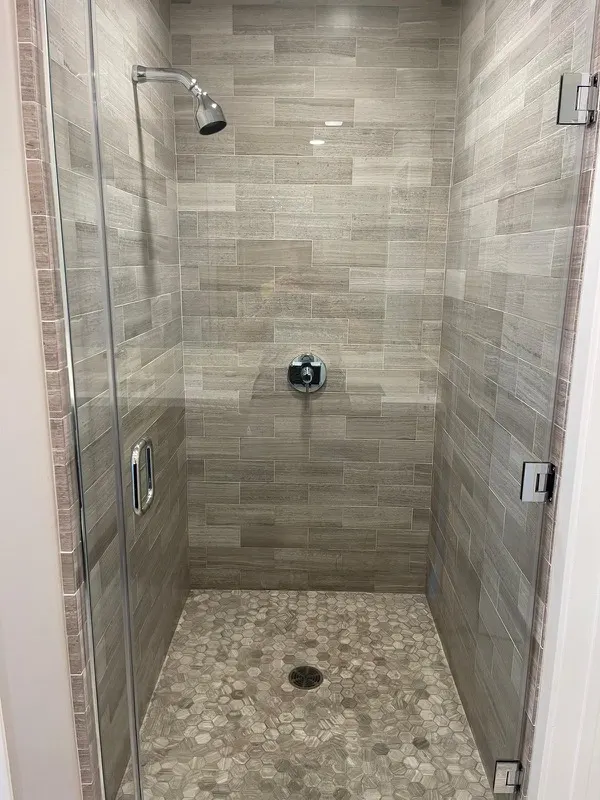
Grout is porous and holds soap residue and grime long after the tile looks clean. It needs a brush, a suitable product and rinsing, line by line.
Shower doors and fixtures
Soap scum and mineral buildup on glass, taps and shower heads. These come off with the right product and time, and not with force.
Behind and around the toilet base
The floor behind the toilet and the base itself are the most-skipped square foot in any home.
Vanity, mirror and cabinet doors
Mirror, vanity top, drawer fronts and cabinet doors, wiped and polished.
Exhaust vent and skirting
The exhaust vent cover, baseboards and the edges where floor meets wall.
Bedrooms, Halls and Living Areas: The Detail Pass
The Environmental Protection Agency lists mold, dust mites, secondhand smoke and pet dander among the asthma triggers commonly found in homes, and its advice is simple: dust and clean your home regularly. A deep clean is how the places regular cleaning misses get included.
Baseboards and door frames
Every baseboard in the house wiped down, and every door frame, which collects dust along its top edge.
Doors, handles and switches
Door faces, handles and light switches. The CDC lists light switches and doorknobs among the high-touch surfaces worth cleaning regularly.
Vents, blinds and light fixtures
Air vent covers, blind slats and reachable light fixtures, all of which shed dust back into the room when neglected.
High corners and skirting
Cobwebs in ceiling corners and the dust line along skirting that a vacuum head does not quite reach.
Floors, edge to edge
Vacuumed and mopped right to the walls and under the furniture that can be moved.
Answers for the Do-It-Yourself Day
It depends on the size and condition of the home, and it is always longer than a routine clean of the same space. Allow most of a day for an average house if you are doing it yourself. A professional pair works faster because the sequence is practiced.
A degreaser for the kitchen, a bathroom product suited to soap scum and minerals, and a neutral cleaner for most other surfaces cover the bulk of it. Check the manufacturer’s guidance for natural stone and specialist finishes before using anything acidic.
Damp, in most cases. A slightly damp microfibre cloth picks dust up; a dry one tends to move it into the air and onto the next surface.
No. According to the CDC, cleaning removes most germs, dirt and impurities, and in most homes regular cleaning is enough. Disinfecting is advised mainly when someone in the household is sick.
Yes. A professional deep cleaning can be booked once, without a plan. Some people do the easy rooms themselves and book the kitchen and bathrooms.
Keeping It That Way Without Doing It Again
Control moisture
The EPA’s guidance is that the key to mold control is moisture control. Run the bathroom fan, dry wet areas promptly and fix leaks; it advises drying water-damaged areas and items within 24 to 48 hours.
Keep humidity in range
The same guidance recommends keeping indoor humidity between 30 and 50 percent, which helps with both mold and dust mites.
Book maintenance, not rescues
A home that has just been deep cleaned is easy to keep. A regular cleaning plan holds it there, so the next deep clean is a choice rather than a necessity. This is the list behind every deep cleaning in Ellicott City and the rest of the area we cover.
Rather Not Spend a Saturday on It?
Describe the house and get a flat price for a professional deep cleaning. The checklist above is what the team works through.
Get Your Free Estimate