






What Does a Move Out Cleaning Include?
The short answer
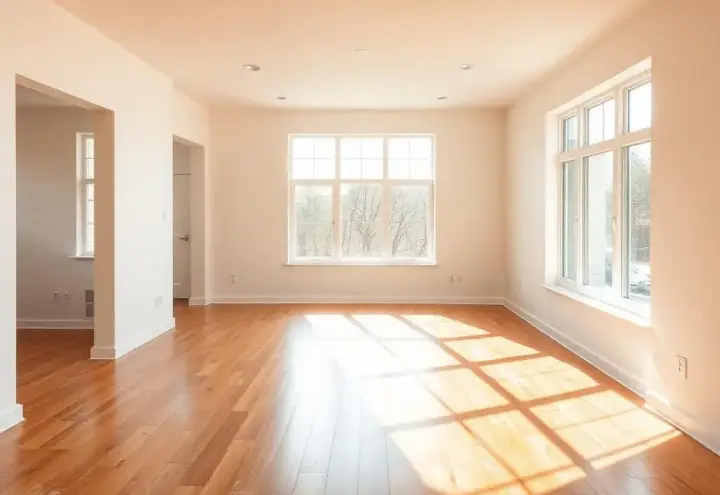
A move out cleaning checklist covers everything a regular clean does, plus everything that opens: cabinets, drawers, closets, the oven and the refrigerator. It is done once the home is empty and before the inspection. Work from high to low, finish the kitchen and bathrooms to inspection standard, and leave the floors for last, ending at the front door.
How thorough should a move out clean be?
Thorough enough that a stranger could open any door and find nothing. An inspector does not sit on the sofa; they open the oven, pull out a drawer and look behind the door. The goal is a home that looks unlived in, not just tidy.
How it differs from a regular clean
A regular visit maintains a lived-in home around the furniture. A move-out clean is done on an empty one. It reaches inside every cabinet, the floor under the bed and the wall behind the fridge. Nothing is worked around, and nothing is skipped.
When to book it
In a house or an apartment, book it after the last box leaves and before the walkthrough. Cleaning around boxes means cleaning twice. If you can, leave a day between the clean and the inspection, so anything missed can be fixed while you still hold the keys.
What this list leaves out
Repairs, wall painting and windows are separate jobs for a handyman, a painter or a window specialist. A cracked tile or a loose hinge is something to photograph and report, not something a cloth can solve.
The Move Out Cleaning Checklist, Kitchen First
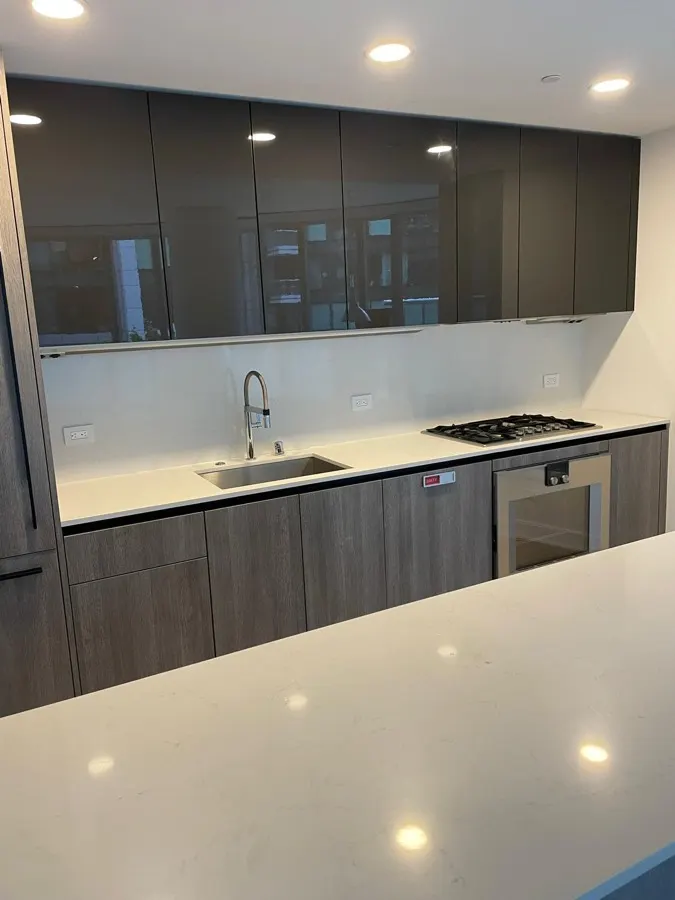
The kitchen takes the longest on move-out day and draws the most attention at inspection. Start there while the energy is high, work inside every cabinet and appliance, then finish with the counters, the sink and the floor.
Cabinets and drawers, inside and out
Vacuum the crumbs out of every corner, then wipe the shelves, drawer bottoms and runners. Wipe the cabinet fronts and handles last, where cooking grease builds up without anyone noticing.
Oven, range and microwave
The oven interior is the first appliance most inspectors open. Racks, door glass and the drawer below get done too, along with the burners, the range hood filter and the inside of the microwave.
Refrigerator and freezer
Empty it, take out the shelves and drawers, wash them and dry them. Wipe the door seals, where spills hide. If the fridge will be switched off, leave the door propped open so it does not smell.
Where the appliances stood
If the stove and fridge can be moved safely, the floor and the wall behind them get cleaned. That strip has usually not been seen since the day you moved in.
Bathrooms, Closets and Every Wall
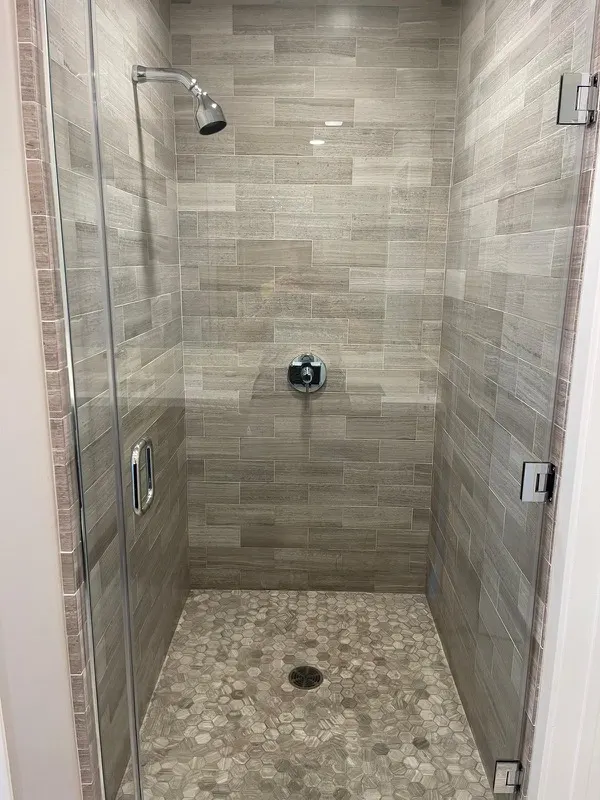
Bathrooms come second because grout, glass and fixtures show neglect faster than any other room. After that, every room gets the same pass from the top down. Closets, doors, switches and baseboards come first, and the floors come last on the way out.
Tub, shower, glass and grout
Scrub the tub and shower walls, then the glass door and the track at its base, where water and soap collect. Clean the grout lines through, since stained grout is one of the first things a checklist notes.
Toilet, vanity and mirror
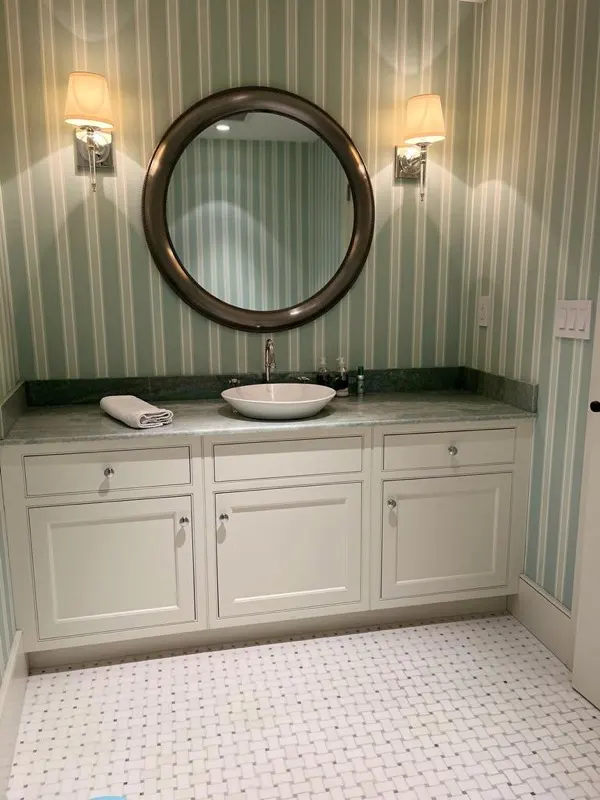
The whole toilet, including the base and the floor behind it. Empty and wipe the vanity drawers and the cabinet under the sink, then polish the mirror and fixtures and dust the exhaust fan cover.
What do tenants have to clean when moving out?
Usually what the lease says, and most leases ask for the home to be left in the condition it was received, apart from normal wear. Read your lease before the clean and add anything it lists, such as carpets or blinds.
Closets, doors, switches and baseboards
Closet shelves, rods and floors first, since nobody looks in an empty closet until the inspection. Then fingermarks around switches, handles and door frames, and the baseboards, which are suddenly visible from end to end.
Floors, last of all
Vacuum and mop every room, working from the back of the home toward the exit, so the clean floors are not walked over again. Check the corners and the strip along each baseboard, which an empty room makes easy to see.
The Quick Cleaning Service is an amazing Company. They provide the best service.
What Is the Maryland Law for Security Deposit Returns?
Under Maryland Real Property Section 8-203, a landlord must return the security deposit within 45 days after the tenancy ends, less any amount lawfully withheld. This is general information, not legal advice; check the statute and your lease for your own case. Because it is state law, the same 45-day rule applies in Frederick, Howard and Carroll counties.
What a landlord may withhold
The statute allows deductions for unpaid rent, for damage due to breach of the lease, and for damage beyond ordinary wear and tear. Anything withheld for damage needs a written list of the damages claimed. It comes with an itemized statement of the cost, sent within the same 45 days. Montgomery County’s renter guidance adds that a landlord who does not follow that rule forfeits the right to keep any part of the deposit.
Can a deposit be taken for cleaning?
The statute does not mention cleaning by name. Whether a cleaning charge fits one of the allowed reasons depends on the lease and the facts. That is a question for your county landlord-tenant office or a lawyer. A clean unit takes the question off the table.
What counts as ordinary wear and tear
Montgomery County publishes a plain definition for renters in places like Bethesda and Silver Spring. Its Department of Housing and Community Affairs describes it as deterioration that occurs without negligence, carelessness or abuse. Its example is faded, cracked or chipped paint. Renters in the cities of Rockville, Gaithersburg and Takoma Park use their own city landlord-tenant office instead.
Your right to attend the inspection
A tenant who notifies the landlord by certified mail at least 15 days before moving has the right to be present at the inspection. The landlord then sends the date and time by certified mail, and the inspection falls within 5 days before or after the moving date.
If the deposit is not returned
Some landlords keep part of a deposit without a reasonable basis. In that case, the statute lets the tenant seek up to three times the withheld amount, plus reasonable attorney’s fees.
From Notice to Refund: The Move-Out Timeline
The cleaning and the statutory steps, laid out in the order they happen. General information, not legal advice.
| When | What happens | Who |
|---|---|---|
| At least 15 days before moving | Notice by certified mail of the intention to move, which secures the right to attend the inspection | Tenant |
| After the last box leaves | The move-out clean, ideally with a day to spare before the walkthrough | Tenant, or a cleaning company |
| Right after the clean | Dated photos of each room, including inside the oven, fridge and cabinets | Tenant |
| Within 5 days before or after moving | The inspection, with the tenant present if notice was given | Landlord or agent, and tenant |
| Within 45 days after the tenancy ends | The deposit is returned, less any amount lawfully withheld | Landlord |
| Within the same 45 days, if anything is withheld for damage | A written list of the damages claimed, with an itemized statement of the cost | Landlord |
Questions in the Last Week of a Lease
It depends on the home, not on a menu. The size, the number of bathrooms, the condition and whether appliance interiors are included all set the price. We quote one flat rate before the day, based on your description, and it does not change if the work runs long. A free estimate comes back within one business day.
It depends on the size and condition of the home, and the quote tells you what to plan for. For scale, a deep clean of a 3-bedroom, 2-bathroom home takes our team of two about 4 to 6 hours. An empty home is quicker to move through, while the inside of every cabinet and appliance adds time.
It makes sense when time is short, the home is large or the deposit is worth protecting. Moving week is already full, and a professional team arrives with every supply. If you clean it yourself, use the checklist above and leave enough time before the walkthrough.
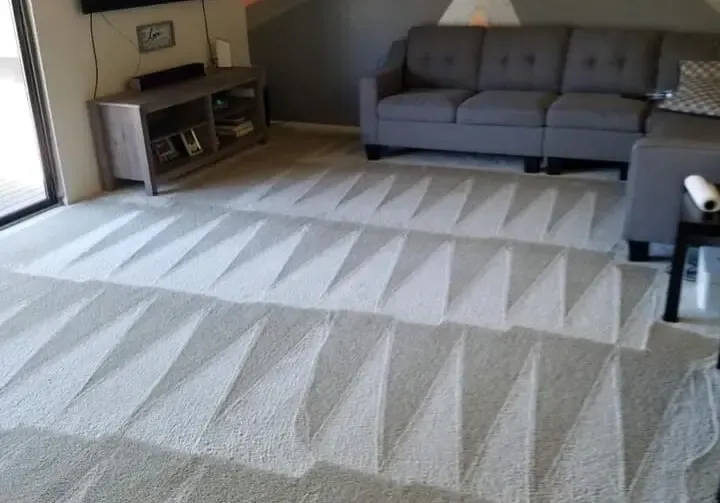
Check the lease first, because some require it when you leave. If the carpet has traffic lanes or stains, it is often the first thing an inspector notices. Our carpet cleaning is a separate service you can ask about in the same quote request.
Read the oven manual first. If it has a self-clean cycle, run it the day before the move-out clean and let it cool, then wipe out the loosened residue. Clean the racks and door glass separately. Never mix cleaning products, and keep the kitchen aired while you work.
Have everything out, including the last bag of trash and the items in the fridge. Make sure power and water are still on, and tell the team about the inspection date, parking and building access. Then the visit goes entirely on cleaning.
Sources
- Maryland General Assembly, Maryland Code, Real Property, Section 8-203
- Montgomery County Department of Housing and Community Affairs, Security Deposits and Move-In, Move-Out Inspections
- Montgomery County Department of Housing and Community Affairs, Jurisdiction for Landlord-Tenant Issues