


Post-Construction Cleaning Checklist for Homes and Renovations
Construction dust behaves differently from household dust. It is finer, it travels further and it settles again after the first pass. This checklist follows the order professionals use, and it ends with the one situation where cleaning alone is not the right answer.
Published 14 October 2026 Checklists By the Quick Cleaning Services team
Wait for the Last Trade to Leave
A post construction cleaning checklist starts with timing. Cleaning while trades are still working means cleaning again when they finish.
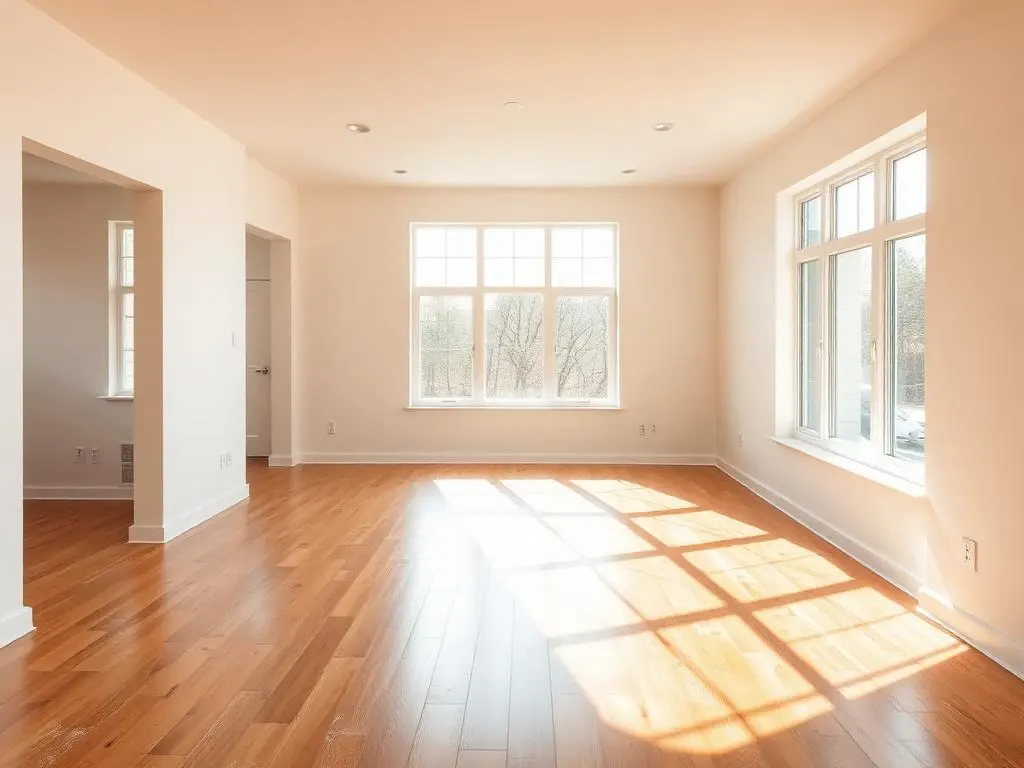
After the work, before the furniture
The ideal window is after the final trade has left and before furniture and belongings come back in.
Debris first
Large debris and offcuts are the builder’s to remove. Cleaning starts once the space is clear of materials.
Plan for two passes
Fine dust settles again in the hours after the first clean. Expect a second pass on surfaces it has landed on.
Start at the Ceiling and Work Down
Light fittings, fans and vent covers
Dust collects inside fittings and on fan blades, and vents hold it in the ductwork opening.
Tops of doors, frames and casings
Every horizontal edge above head height.
Ledges, sills and exposed ductwork
Anything that forms a shelf for dust.
Upper walls and corners
Cobwebs and settled dust along the top of walls.
Smoke detectors and sprinkler heads
Wiped clear so dust does not interfere with them.
Residue Is the Real Job
Protective film and stickers
Removed, along with the adhesive they leave behind.
Paint flecks and adhesive on hardware and fixtures
Lifted carefully so new finishes are not scratched.
Cabinetry inside and out
New cabinets are full of sawdust from installation.
Appliances, including interiors and seals
New appliances often arrive with packaging residue.
Grout haze on new tile
The film left after grouting, removed from the tile face.
When the Dust Might Contain Lead
This is the part of post-construction cleaning that is not a cleaning question.
Why the date matters
The EPA says approximately three-quarters of homes in the United States built before 1978 still contain some lead-based paint, and that renovation, repair and painting work on such homes can easily create dangerous lead dust.
The rule for renovators
Under the EPA’s Renovation, Repair and Painting Program, anyone paid to disturb paint in pre-1978 housing must be certified in lead-safe work practices, and that includes all firms, even sole proprietorships.
What that means for cleanup
If your renovation disturbed paint in a home built before 1978, ask your contractor how the work area was handled under those rules before any general cleaning begins. Lead-safe work practices are the renovator’s responsibility.
Our position
We do not perform lead abatement or lead dust testing, and we would tell you so rather than clean as if it were ordinary dust.
Questions at the End of a Project
Rarely. A deep clean removes household buildup. Construction residue, fine dust and adhesive need a different sequence and more passes.
No. Hauling away waste and surplus materials sits with your contractor, and the cleaning begins once the rooms are empty of it.
As soon as the last trade has finished and before furniture returns.
Fine particles stay airborne and settle for some time after work stops. A second pass is normal, not a sign the first was poor.
Yes. New builds arrive with the same residue, often throughout the whole house.
Finish Low, Finish Last
Sills and the tracks beneath them
Grit left in the tracks scratches the frames, so it is vacuumed out before the sills are wiped.
Switch plates and outlet covers
Wiped clear of the dust that settles along every edge.
Floors, vacuumed then washed
Vacuum first to lift fine dust, then wash. Mopping dust-covered floors spreads a paste.
A second pass
On anything dust has settled onto again since the first clean. New builds toward Urbana and New Market are a regular part of post-construction cleaning in Frederick, MD.
The Builders Are Done. Now Make It Liveable.
Say how big the space is, what the trades did and the day they finished. You get one fixed price before anyone turns up.
Get Your Free EstimateUseful to Mention
Related Guides and Services
The checklist for lived-in homes
For buildup in an occupied house rather than a building site.